A stage performer with TV appearances who now has a bigger fanbase off stage. A lesson in giving people what they want and giving generously.
-
Guest-Hosted Chris Ruggiero’s Between Dreams Podcast Episode #100


Chris Ruggiero is a dedicated entertainment thought leader. He has a popular podcast called “Between Dreams” which goes beyond entertainment to open people up to the possibilities of following passionate lifestyles. In depth interviews with people who followed their dreams. For episode #100, he invited me to host the podcast and interview him instead. I love hearing about how much he cares about making something for others. It’s a guidebook for people who are on the verge of leaping into the unknown.
-
Pivot & THRIVE . Success from 2020 with Robert Strong

Robert Strong has found a new way to reconfigure his value into something that clients want. By developing long relationships with his network and continuing to connect, he’s been able to find new offerings that make him money now and keep him busy with creativity.
-
Lighting a small home studio for a Zoom magic show

There is no lighting solution for every purpose. There’s no “tip” I can give you for setting up lighting. Everything changes all the time. This is a response to a magician asking for help in his home studio. Hopefully it will be useful to more people as they see all the problems I try to solve quickly.
-
Performers Making Real MONEY in 2020!
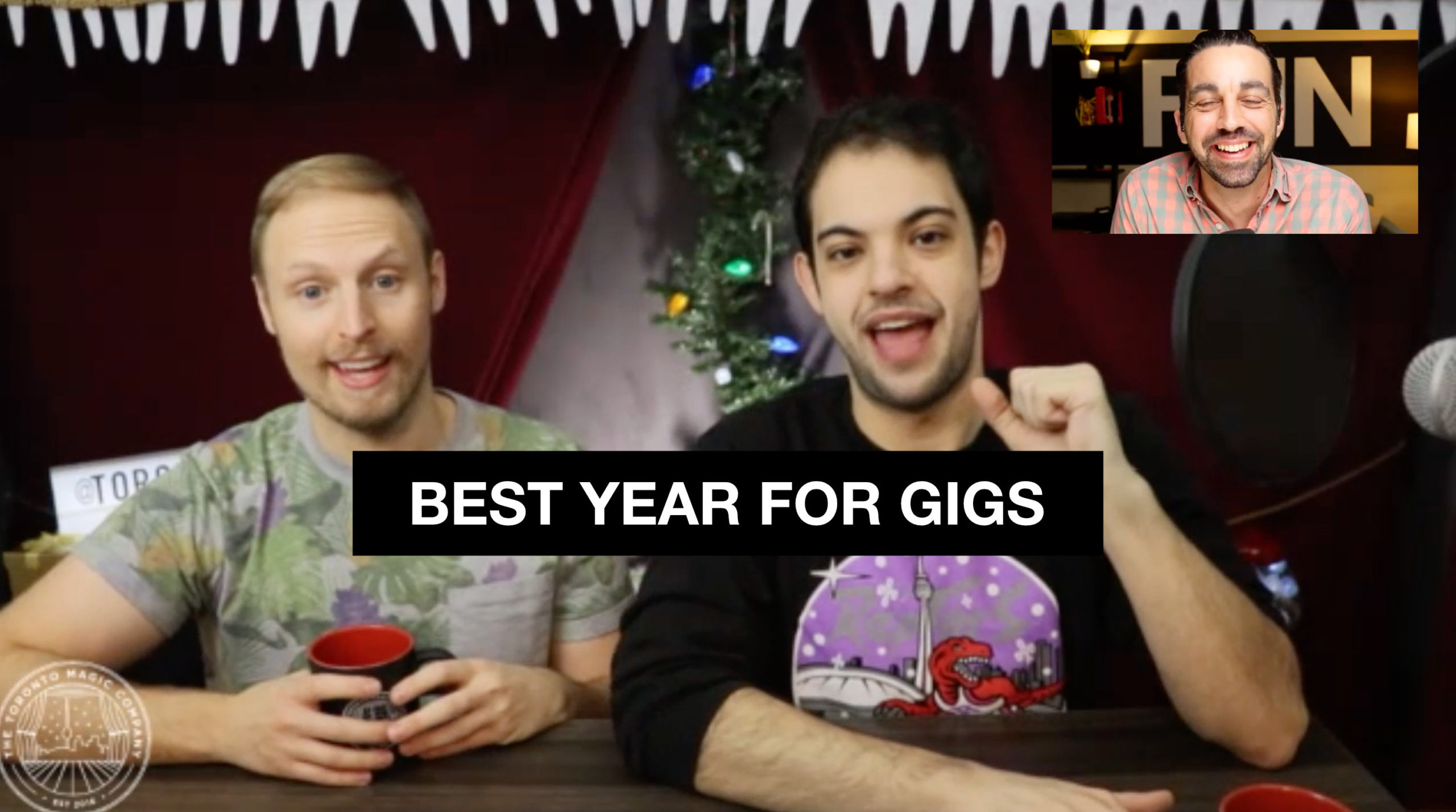
These guys are not just getting by. They are having a great year for gigs. Ben Train & Jonah Babins teamed up to figure out online shows and they’re kicking butt in the pandemic. They’re able to do more shows, make more money, and spread more joy with less sweat.
-
A Comedy Creator THRIVING in 2020
Steven Banks has an incredible career as an entertainment maker and he isn’t daunted starting over. He has jumped into creating productions by himself online for his fans even though they may make him look crazy. He keeps giving and creating and it is paying off for him. I think we can all learn from his resiliency.
So many people in entertainment are trying to protect their reputations and their egos, while Steven knows that the next opportunity is just passed the next experiment.
-
WTF! A Live Theater Actor THRIVING in 2020
I’m searching for what’s working in entertainment right now and what can we do to make it work better. Today I talked to Deirdre V. Lyons about her pivot into VR acting. YES! Immersive experiences that require actors engaging with audience members. She’s gotten a bunch of press and awards this year.
Deirdre V Lyons is finding press and awards in acting that she didn’t rake in when IRL theater was a thing. She’s finding success in Hollywood NOW thru VR immersive experiences.
-
Top Of Mind
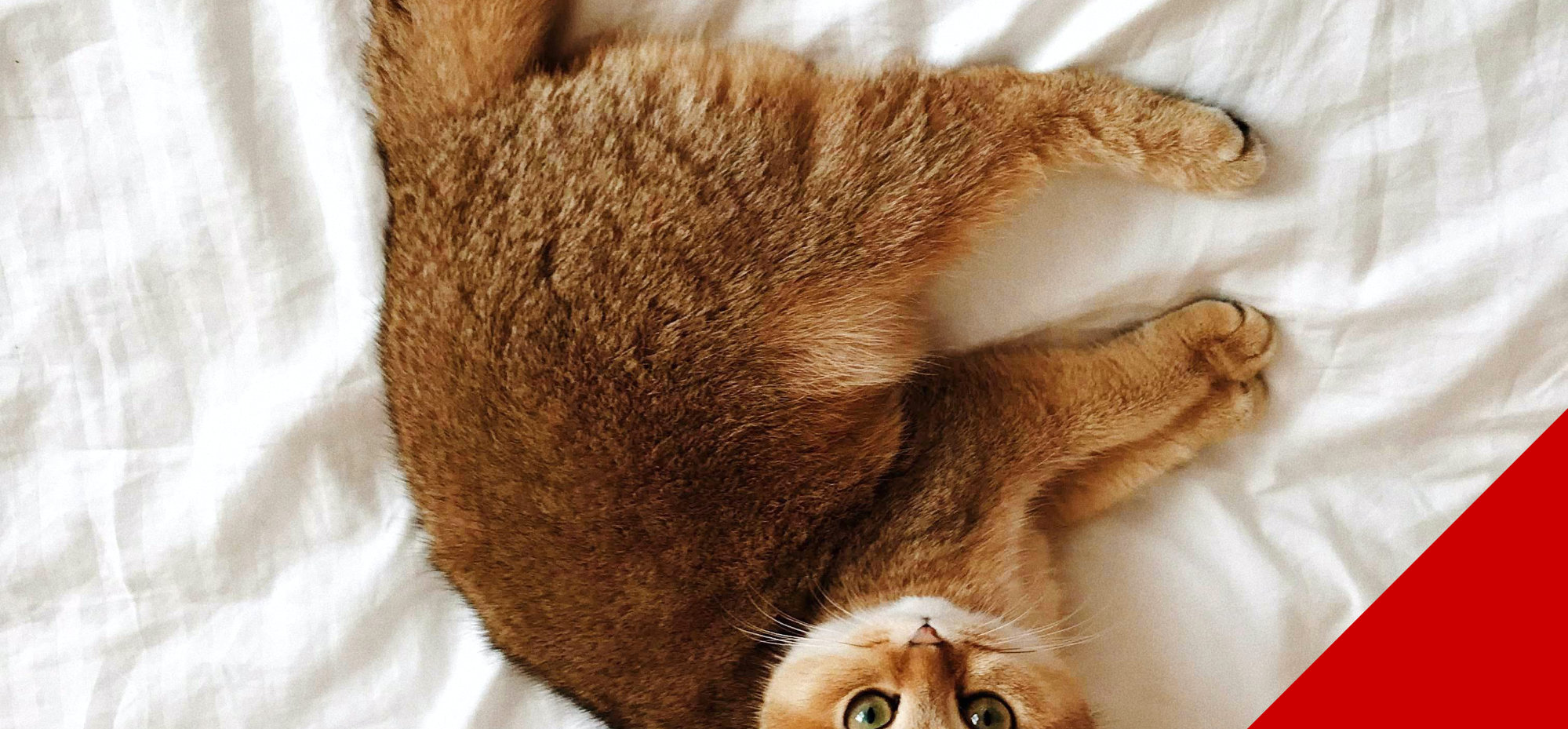

When we’re in a business of getting past gatekeepers, they often defer us.
- “We’re going a different direction this time”
- “Next one”
- “Keep sending us your new materials”
- “We hope we’ll find a fit for you in the future”
I assume they’re telling the truth. They probably are hoping we’ll be better for them next time… that we have continued to grow in our careers and crafts. It would be way easier to stick with a relationship of someone growing than to make new relationships all the time. It’s also possible they loved us and wished they could have used us this time.
That doesn’t mean they’ll remember us.
The next opportunity might be a year or three later. If we leave them alone, it’s very unlikely we’ll be the first to get the call. The challenge becomes staying on their nice list.
Serve them.
Have empathy and serve them.
If I’m an author and I keep sending publishers proposals for my books they keep rejecting, I am probably not serving them.
If I send them periodic thoughts on the minds of great authors, they might benefit greatly. They might look at me as an advocate. They might enjoy hearing from me. They might have something fun to talk to me about next time they want to make contact. They might get a deeper knowledge of who I am and what I am like to work with. They might think my manuscript is open for adjustment. They might tell me what they’re looking for. They might give me more time for feedback next time. They might try to connect me with a publisher that’s a better match. They might understand my voice better. They might have me in mind for every opportunity until it’s the right opportunity.
-
Do I Be A Specialist in Entertainment?
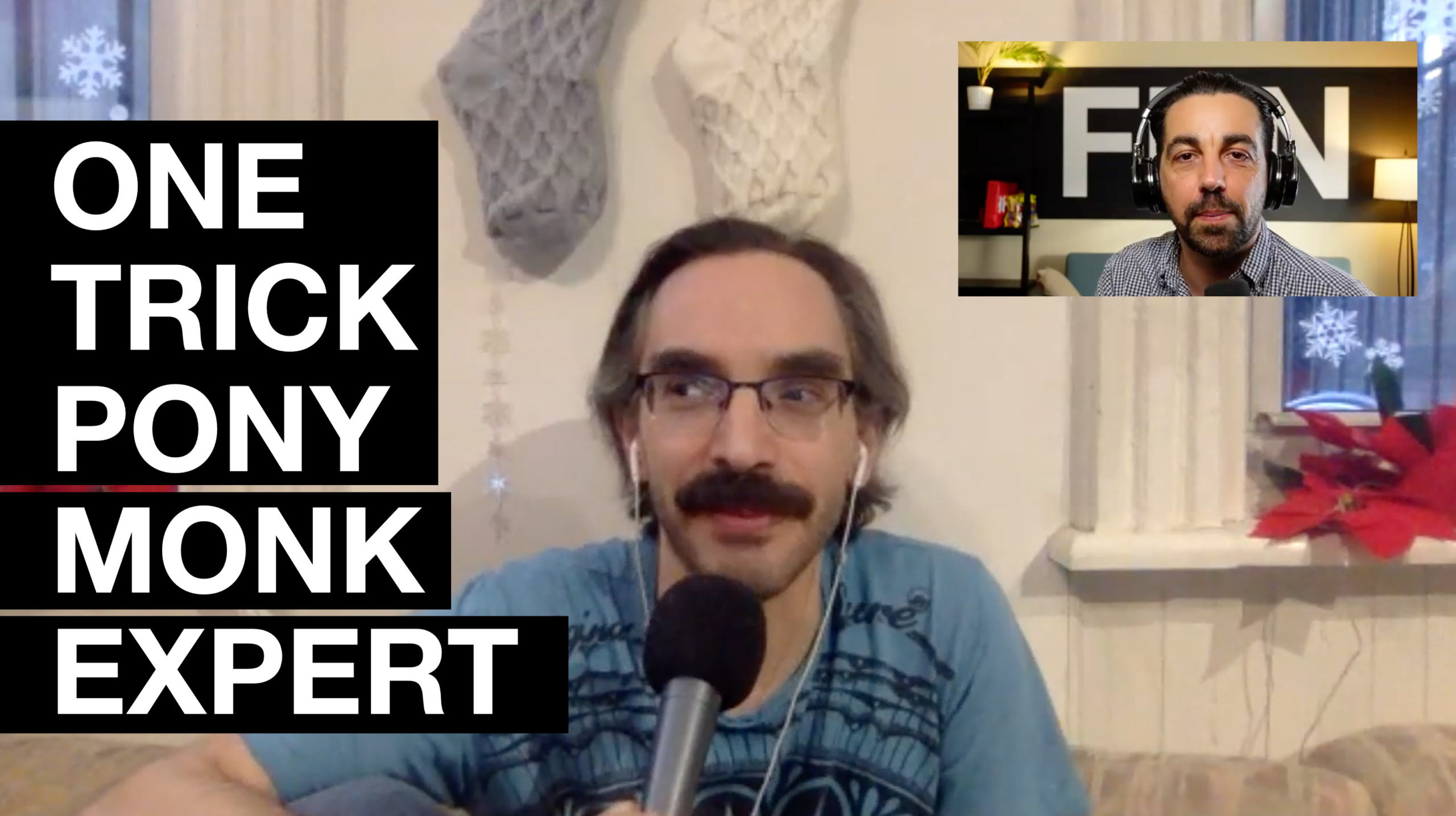
Myq Kaplan interviewed by Scot Nery about what it means to pursue a single path in entertainment.
I’m fascinated by people who try to do one thing really well. When I’m coaching people, I advise them to go all-in on something that they believe in, so that they can…
- do it well
- track their success and feel fulfilled
Myq is funny all the time. Relentlessly. What’s that like, to live like that?
What are the sacrifices and benefits? What do we have to say ‘no’ to in order to stick to the mission? How does our career grow when we feel like nothing’s happening? How to we think about wasted time? How do we measure ourselves?
-
They’ll Love You For Your Flaws + Use You For Your Perfections


There are two traps for entertainment pros.
- Being pristine and the best
- Being raw and savage
People want to use us
Folks want to use us for our popularity, for our vicarious experiences, for our skills, for our “talent,” for our beauty, and whatever else is good about us. I’m talking about “use” in a consensual, “it takes a village” / “lend a hand” kinda way. It’s good to be useful and it’s good to use people. It connects us to each other.
People want to love us
Our audiences also want to love us. Love can only happen with vulnerability. They can only connect with us when we show them something that is deemed by the audience as imperfect. Love is an openness and acceptance of someone for who they are. We want our performers, creators, and characters to be flawed so that we can exercise our ability to love them. We love not because of the qualities of a person, but in spite of the qualities of a person.
Make a surprising move
There’s a book on screen writing called “Save The Cat.” Part of it talks about the importance of a hero doing a simple noble action. Many writers mistakenly think that a hero being tortured is enough to elicit love from the audience.
Saving a cat is a surprising action that reveals more about who we are. It goes against the grain of what the audience might expect.
Suffering is not a flaw, or a vulnerability. We need action.
-
Don’t Support Local Businesses


Since writing about “Supporting Live Entertainment” I have had some time to refine my ire. As Christmastime approaches, a lot of my friends are saying “Support Small (or Local) Businesses.” It’s more of the same thing! Stop it!
The whole concept is backwards
People are worried about individuals losing their small corporations due to big corporations driving them out. According to the capitalist system, big corporations are serving individuals better than small corporations; and that’s why individuals are paying them.
If we agree that the system is working, the best way to help individuals is to support big corporations because they’re serving the most individuals the best — almost a corporate socialism.
If we don’t agree that the system is working, we can work to change the laws and support individuals directly.
Small corporations are corporations too
Big corporations became that way by being small corporations that found a way to motivate profits and scale. This is usually done by serving a need of individuals.
Built in to this concept of “support small businesses” is often the idea that businesses are evil if they’re big. So we support the small ones, even though they might not be focused on serving a need. If we’re successful, we’ll turn a small business that sucks into a big business that sucks!
It’s up to businesses to support us
Businesses are not charities. They are meant to deliver things that individuals or other businesses value.
The killing local businesses way of thinking
Businesses get killed. As technology, society, and other stuff improves, the horse-cart business, the radio business, the music video production business all fall away. As retail becomes more automated, companies that don’t automate die. This is how it works.
Folks cry out “Amazon is killing the mom & pop bookstore.” And they’re right. If a mom & pop is operating on an old model that used to serve people and no longer serves them as well as Amazon, they will die. The same way movies killed Vaudeville.
The thing is, Amazon is not killing every mom & pop bookstore. There are bookstores that still serve their communities something special. Heck, there are still companies that build horse carts.
Bookstores can offer…
- a comforting environment
- a special shopping experience
- a community hub
- events
- connection
- a sensory experience
- education
- and much more that Amazon cannot offer at scale
Big companies are not afraid of small companies
Big companies look for profits. If they see a way a small company is making profits that they could make, they go for it. It’s not fear, or seeking destruction. It’s moral neutrality and capitalist pursuit (I’m not endorsing it as a great thing).
We can help small or local businesses
The real way to help a small or local business is to help that one business directly and specifically. If we think that a small business offers incredible value to individuals (not just the value of being small) we can educate and remind people about the value they provide. That’s great. That’s a way we serve individuals – by helping them find a helpful service.
We, as creators, can shed this way of thinking
The core of this whole thing is how I believe this “support” mindset hurts us as entertainment people.
- We are tasked with making things people want.
- We are not tasked with making things that are arbitrarily “creative”
- We don’t deserve money just because we’re making something
- We don’t deserve fans just because we’re small
We have ways of making stuff that nobody else and no other business can. We have the opportunity to be categories of one. We have the ability to change entertainment forever. The world has a headache that we can cure. There is something in the world that’s missing. We can see it and we can create it.
We’re powerful and our power inspires. Go. Serve.
-
How To Undervalue Entertainment!


I am an advocate of value-based pricing. If the entertainment we provide is so simplified, generic, automated, and scaleable all customers get the same price, then that’s a wonderful load off. Unfortunately, that’s nearly never the case.
I know it’s hard to look at one’s self and see all that we put in. I see this issue over and over in my clients. It gets easier after someone’s guided us through the process with our own specific details. Here is a template, though.
We can devalue ourselves easily by thinking we’re offering one thing.
If we think “I’m offering one thing. It’s a singing telegram. Therefore, my singing telegram is worth as much as any other singing telegram.” This is where we get into this whole terrible mindset that I fight so much against.
Not all singing telegrams are the same
We wouldn’t expect a singing telegram from Rihanna to be the same price as one from Lady Down The Street or a character actor from a Disney show.
This is not just arbitrary telegram price + added celebrity expense. By breaking down and understanding that value is full of lots of parts, we can make it easier to see our value.
Lady Down the Street
- Booking / Administrative costs : cheap she does it all the time
- Desire to do the job : cheap she loves her moment in the spotlight
- Time scarcity : cheap she has lots of free time
- Guarantee that it will be her : If you really need to make sure it’s her, then you might pay more, but most likely she could send a replacement if she’s sick and nobody will care
- Travel : free
- Security : none
- Planning of material: free she sings the same 20 songs. You just pick one
- Costume : free she never cleans her costumes.
Rihanna
- Booking / Administrative costs : includes lawyers, agents, managers all getting paid
- Desire to do the job : it would probably take a lot of money to motivate her to do this
- Time scarcity : expensive for her and her team
- Guarantee that it will be her : this is built in to hiring her and very expensive. Nobody can replace Rihanna
- Travel : expensive. she’s not flying coach either
- Security : yes
- Planning of material: coordination, maybe licensing, tech setups will be required
- Costume : something stunning I bet + wardrobe person + hair and makeup person + stylist / planner
Finding the pricing
There’s no set way to find the pricing of these things, but this kind of breakdown helps to understand that the parts (and there are more than I’ve listed here) are not free.
If we’re looking to make a scaleable business, it could be helpful to think about how much it would cost to replace us. Let’s say I got too busy to manage the tech side of my zoom show. How much would it cost to pay a digital stage manager?
For the things where we can’t be replaced, we consider what are likely things that could drag us away from the gig and what are those things worth to us?
- a higher paying gig
- our son’s baseball game
- dinner with a friend
- our neighbor needing a ride to the hospital
This is the cost of commitment, and often it’s higher than we would like to admit.